TEAS 7 Anatomy and Physiology: Body Systems, Types & 4-Week Plan
Anatomy and physiology is 18 of the 44 scored questions on the TEAS 7 Science section — the single largest content area. Here is each body system in the detail the test rewards, exactly how A&P questions are framed, and a 4-week plan to master it.
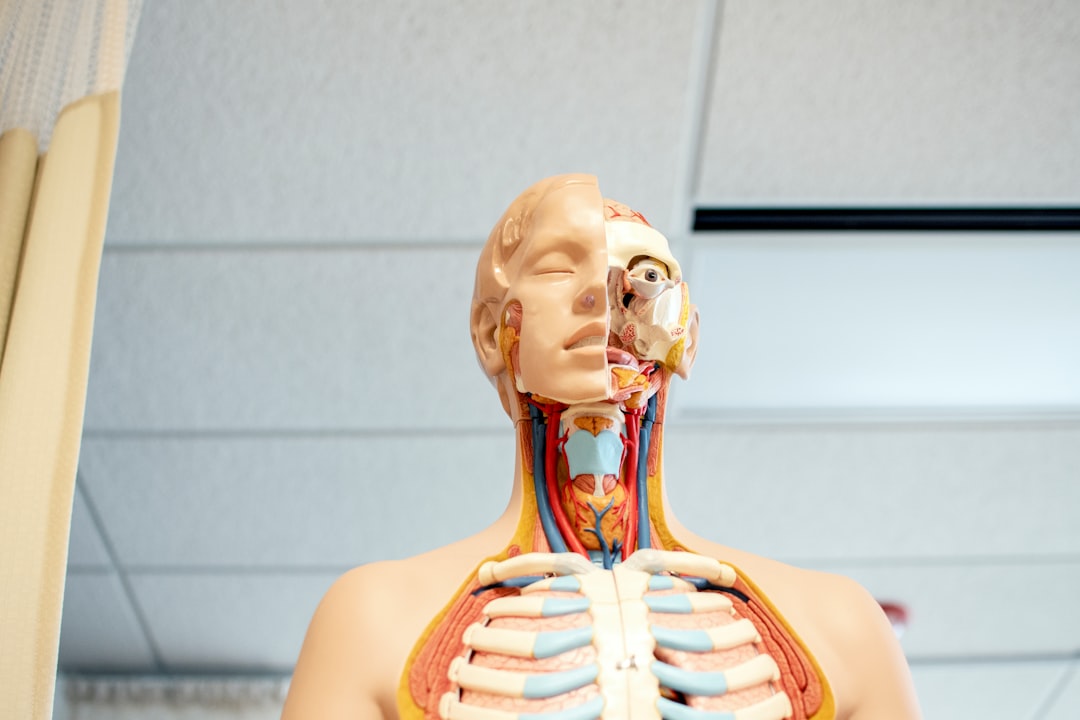
Anatomy and physiology is 18 of the 44 scored questions on the TEAS 7 Science section — more than biology, chemistry, and scientific reasoning, and the single largest content area on the whole 50-question, 60-minute section. Get A&P right and you have banked the biggest block of science points before the test even gets hard. The trap is treating it like a memorization marathon: every bone, every enzyme, every hormone. You cannot do that in a few weeks, and the TEAS does not ask for it. It tests structure and function — what each organ is, what it does, and how systems work together. This guide goes system by system in the detail the test actually rewards, shows you the exact ways A&P questions are framed, and gives you a 4-week plan to lock it in. For the whole science section at a glance, start with our TEAS Science overview.
Why anatomy and physiology decides your science score
The Science section has 50 questions — 44 scored and 6 unscored pretest items — and you get 60 minutes. According to ATI's official TEAS exam details, the 44 scored questions split like this: human anatomy and physiology (18), biology (9), chemistry (8), and scientific reasoning (9). At 18 questions, A&P is roughly 41% of the scored section on its own — about as much as biology and chemistry combined. If you split your science hours evenly across the four areas, you are starving the one that moves your score the most. A&P deserves close to half your time.
What A&P actually tests: structure and function
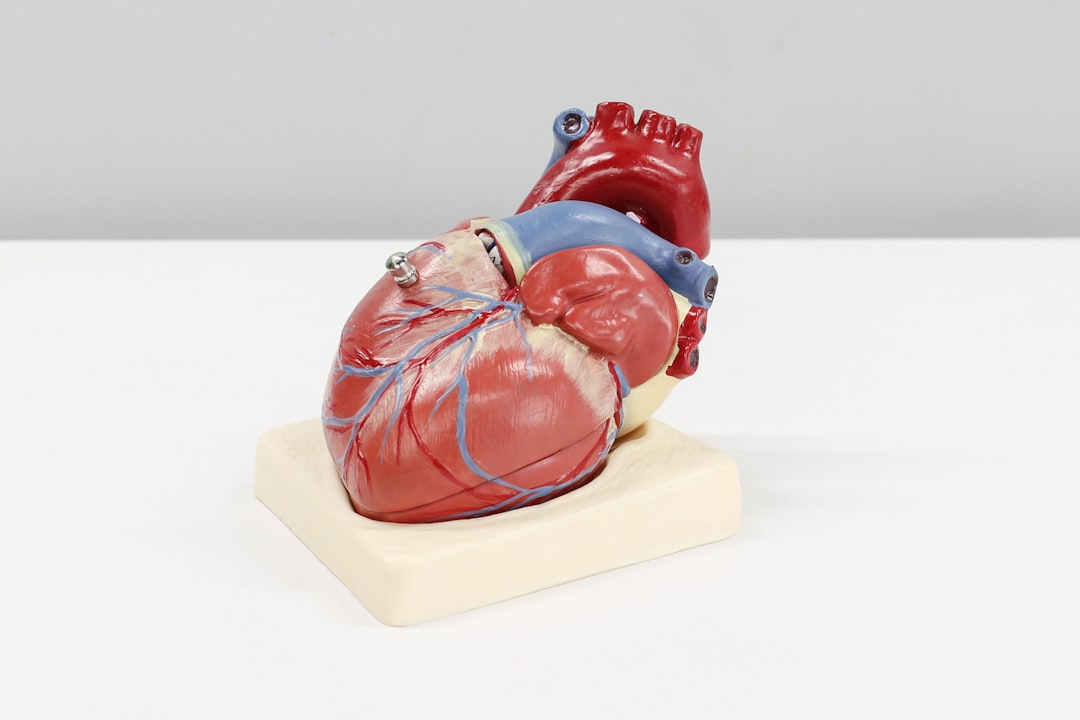
The ATI content outline organizes A&P around the major body systems, anatomical terminology, and how systems interact. The TEAS does not want med-school depth — no Krebs cycle, no naming all 206 bones. For every system, learn three things: the main structures, what each one does, and how the system connects to its neighbors. You should also be comfortable with body organization (cells form tissues, tissues form organs, organs form systems) and basic directional terms — anterior/posterior, superior/inferior — and the body planes (sagittal, frontal, transverse). Those terminology questions are free points if you drill them and easy losses if you skip them.
The body systems, in the detail the test rewards
Below is each system with its core function, the high-yield structures, and the facts that show up most. The cardiovascular, respiratory, digestive, and nervous systems carry the most weight — start there.
Cardiovascular system
Function: transports oxygen, nutrients, hormones, and waste throughout the body.
Structures: a four-chambered heart (right atrium, right ventricle, left atrium, left ventricle); arteries (carry blood away from the heart), veins (carry blood toward it), capillaries (the exchange site); blood made of red cells (oxygen), white cells (immunity), platelets (clotting), and plasma.
High-yield: pulmonary circulation runs right heart → lungs → left heart; systemic circulation runs left heart → body → right heart. Arteries carry oxygenated blood and veins carry deoxygenated blood — except the pulmonary artery and vein, which are reversed. Valves prevent backflow.
Respiratory system
Function: gas exchange — oxygen in, carbon dioxide out.
Structures: nose and pharynx and larynx (upper); trachea, bronchi, bronchioles, and alveoli (lower); the diaphragm and intercostal muscles drive breathing.
High-yield: gas exchange happens in the alveoli. On inhalation the diaphragm contracts and the lungs expand; on exhalation it relaxes. Oxygen diffuses from alveoli into blood while carbon dioxide diffuses out.
Digestive system
Function: break food into absorbable nutrients.
Pathway: mouth → esophagus → stomach → small intestine → large intestine → rectum → anus. Accessory organs (liver, gallbladder, pancreas, salivary glands) feed in but food does not pass through them.
High-yield: most nutrient absorption occurs in the small intestine, where villi increase surface area; the stomach secretes acid and pepsin; the liver makes bile to emulsify fats; the large intestine absorbs water.
Nervous system
Function: control and coordinate the body through electrical and chemical signals.
Structures: the central nervous system (brain and spinal cord) and peripheral nervous system (everything else). Brain divisions: cerebrum (thinking), cerebellum (balance and coordination), brainstem (automatic functions). The neuron is the functional unit.
High-yield: the autonomic system runs involuntary functions — sympathetic is "fight or flight," parasympathetic is "rest and digest." A reflex arc (stimulus → sensory neuron → spinal cord → motor neuron → response) bypasses the brain for speed.
Endocrine system
Function: secrete hormones that regulate the body via the bloodstream (slower than nerve signals, longer lasting).
High-yield glands: pituitary (the "master gland"), thyroid (metabolism), pancreas (insulin lowers blood glucose, glucagon raises it), adrenal glands (cortisol and adrenaline for stress). Negative feedback loops keep hormone levels in balance.
Immune and lymphatic system
Function: defend against pathogens and maintain fluid balance.
Structures: lymph vessels and nodes (filter pathogens), spleen (filters blood), thymus (matures T-cells), and white blood cells.
High-yield: innate immunity is non-specific (skin, inflammation, phagocytes); adaptive immunity is specific (antibodies, memory cells). Active immunity means your body made the antibodies (infection or vaccine); passive means you received them (mother to infant).
Skeletal system
Function: support, protection, movement, mineral storage, and blood-cell production.
Structures: the axial skeleton (skull, vertebral column, ribcage) and appendicular skeleton (limbs and girdles); compact bone (dense outer) and spongy bone (inner).
High-yield: red bone marrow produces blood cells (hematopoiesis); bones store calcium and phosphorus; joints are where bones meet to allow movement.
Muscular system
Function: movement, posture, and heat production.
Three muscle types: skeletal (voluntary, striated, attached to bone), cardiac (involuntary, striated, heart only), and smooth (involuntary, non-striated, in organs and vessels).
High-yield: muscles work in opposing pairs (biceps flexes, triceps extends); tendons connect muscle to bone, ligaments connect bone to bone; contraction requires ATP.
Urinary and renal system
Function: filter blood, remove waste, and regulate fluid and electrolyte balance.
Pathway: kidneys filter and make urine → ureters carry it → bladder stores it → urethra expels it.
High-yield: the nephron is the functional unit where filtration happens; the kidneys also help regulate blood pressure and pH, activate vitamin D, and release erythropoietin to stimulate red-cell production.
Integumentary and reproductive systems
Integumentary: skin in three layers (epidermis, dermis, hypodermis) handling protection, temperature regulation, and sensation — and it counts as the body's first line of innate immune defense.
Reproductive: testes make sperm and testosterone; ovaries make eggs plus estrogen and progesterone; fertilization typically occurs in the fallopian tube and implantation in the uterus.
How A&P questions are actually asked
A&P questions rarely reward flat recall. Knowing them in advance is half the battle, because each format has a strategy that beats it:
Structure ID: "Which chamber pumps oxygenated blood to the body?" (left ventricle). Visualize the structure and tie it to its job.
Function: "What is the primary function of the alveoli?" (gas exchange). Connect every structure to what it does.
Pathway and sequence: "Trace blood from the right ventricle to the left atrium," or order the steps of digestion. Learn the order, not just the parts.
System interaction: "How do the respiratory and cardiovascular systems work together?" (respiratory oxygenates blood, cardiovascular delivers it). Think purpose.
Clinical application: "A patient has a low red-blood-cell count — which organ is likely involved?" (bone marrow, or the kidneys via erythropoietin). The TEAS leans into these because nursing school does.
Diagram labeling: many items show an unlabeled image and ask you to identify a part. Practice labeling diagrams from blank until it is automatic.
Elimination ("NOT"): "Which is NOT a function of the skeletal system?" Know the real functions cold and the odd one out becomes obvious.
The throughline: if you can sketch a system and trace its pathways from memory, you can answer almost any way the question is framed. If you cannot draw it without looking, you do not know it yet — you recognize it, which is not the same thing on test day.

A 4-week A&P study plan
This assumes 60–90 minutes a day, 5–6 days a week, focused only on anatomy and physiology. Group systems by theme so related concepts reinforce each other, and review every missed question the same day.
Week 1 — foundation and transport systems. Cardiovascular, respiratory, and digestive — the heaviest-tested systems. Two days each: learn the structures, trace the pathways, then do 10–15 questions. End the week with a 30-question mixed quiz.
Week 2 — control and defense systems. Nervous, endocrine, and immune/lymphatic. Same rhythm: structures, then function, then questions. Briefly re-quiz Week 1 so it does not fade.
Week 3 — support, movement, and elimination. Skeletal, muscular, urinary/renal, plus integumentary and reproductive. Finish with a 40-question mixed quiz spanning all three weeks.
Week 4 — integration and timed practice. Drill system interactions and anatomical terminology (directional terms, planes, cavities), then take two timed A&P practice sets, re-study anything under 70%, and rest the day before. Sleep beats cramming — memory consolidates overnight.
A&P is the largest part of the science section, but it is one piece of the exam. Map the rest of it the same way with our TEAS Science overview, build a full schedule with our TEAS test prep guide, and if A&P is also on your radar for the HESI, compare the two in our HESI A2 anatomy and physiology guide.
Written by · Verified educator
Testavia editorial
Nathan Cole
RN
Medical-Surgical nurse & health writer
Meet Nathan, a registered nurse with over five years of experience in Medical-Surgical care, based in New York City. Having worked with a wide range of patients through some of their most vulnerable moments, Nathan brings a grounded, real-world perspective to his writing on healthcare. His goal is simple: to bridge the gap between medical knowledge and everyday understanding, making health topics feel less intimidating and more empowering for everyone. When he's not caring for patients, Nathan channels his passion for medicine into writing that educates, comforts and inspires.
5+
Years in Med-Surg
Medical-Surgical
Specialty
New York City
Based in