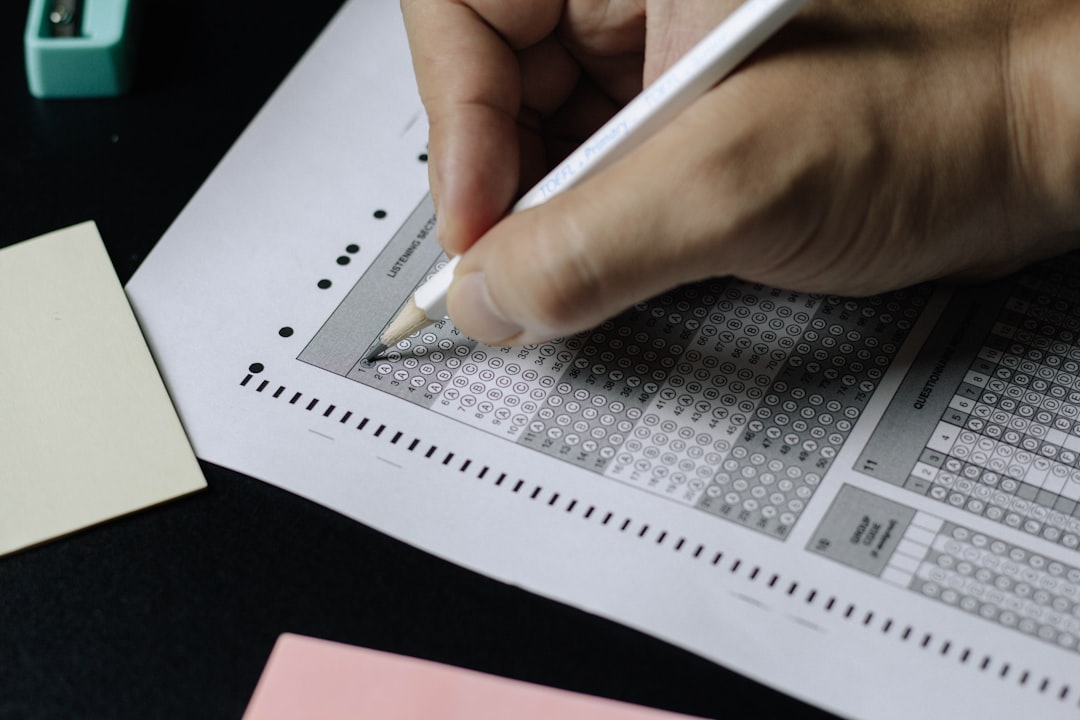
TEAS 7 Science Section: What to Study and How to Pass
The TEAS 7 Science section is 50 questions in 60 minutes across anatomy and physiology, biology, chemistry, and scientific reasoning. Here is exactly what ATI tests, why A&P matters most, the high-yield topics in each area, and a two-week study plan to pass on your first try.
The TEAS 7 Science section gives you 50 questions in 60 minutes — about 72 seconds each — across anatomy and physiology, biology, chemistry, and scientific reasoning. It is the section where most pre-nursing students stumble, not because the content is impossibly hard, but because it is broad and the clock is unforgiving. The good news: the test is predictable. ATI weights anatomy and physiology far more heavily than anything else, so if you study to the blueprint instead of trying to memorize a whole biology textbook, you can pass this section on your first attempt. Here is exactly what is tested, which topics earn the most points, and a two-week plan to get there.
What's actually on the TEAS 7 Science section
Of the 50 questions, 44 are scored and 6 are unscored pretest items that ATI uses to trial future questions. You will not know which are which, so treat every question as if it counts. According to ATI's official TEAS exam details, the 44 scored questions split across four content areas like this:
Content area | Scored questions | Share of section | What it covers |
|---|---|---|---|
Human Anatomy & Physiology | 18 | ~41% | Body systems: structure, function, and how they interact |
Biology | 9 | ~20% | Cells, macromolecules, mitosis/meiosis, genetics and DNA |
Chemistry | 8 | ~18% | Atomic structure, bonds, reactions, pH, states of matter, metric units |
Scientific Reasoning | 9 | ~20% | Scientific method, variables, reading graphs and interpreting data |
The takeaway is strategic, not trivial: anatomy and physiology is the single largest area at 18 of 44 scored questions — roughly 41% of the section. If you split your study time evenly across all four areas, you are under-investing in the one that moves your score the most. A&P deserves close to half your science hours.
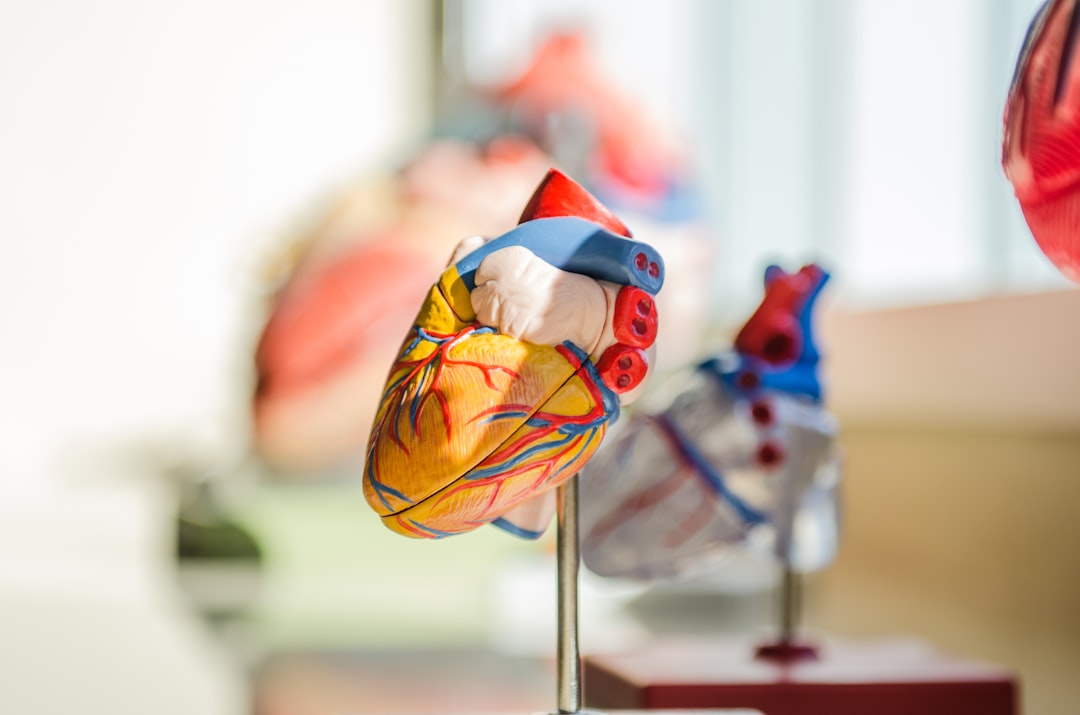
Anatomy and physiology: the make-or-break category
Eighteen scored questions come from A&P. The TEAS tests basic structure and function and how systems work together — not med-school detail. Organize your study around the major body systems and what each one does:
Integumentary — skin layers (epidermis, dermis, hypodermis), protection, temperature regulation, sensation.
Skeletal — compact vs. spongy bone, major bones, support, protection, blood-cell production, joint types.
Muscular — skeletal, smooth, and cardiac muscle; voluntary vs. involuntary; movement and heat production.
Nervous — central vs. peripheral, neuron structure, nerve impulses, reflex arcs, basic brain anatomy.
Endocrine — pituitary, thyroid, adrenal, pancreas and their hormones (e.g., insulin lowers blood glucose).
Circulatory — heart chambers and valves, the blood-flow pathway, vessels, and blood components. Heavily tested.
Lymphatic/immune — lymph nodes, spleen, thymus; innate vs. adaptive immunity.
Respiratory — trachea, bronchi, alveoli; gas exchange; inhalation vs. exhalation.
Digestive — the path of food, what each organ does, accessory organs (liver, pancreas, gallbladder), enzymes.
Urinary/excretory — kidney filtration, nephron function, and the path of urine out of the body.
A&P questions rarely ask simple recall. Expect pathway questions ("trace blood from the right ventricle to the left atrium"), function questions ("which system regulates blood calcium?"), diagram identification, and clinical application ("a patient has a low red-blood-cell count — which organ is likely affected?"). That is why memorizing definitions fails. Draw each system from memory, trace the pathways, and use mnemonics for sequences. If you cannot sketch it without looking, you do not know it yet.
Biology: cells, genetics, and DNA
Nine questions. Biology is conceptual, so focus on processes, not vocabulary lists. Know the function of the key organelles (nucleus stores DNA, mitochondria make ATP, ribosomes build proteins). Know the four macromolecules — carbohydrates, lipids, proteins, nucleic acids — and what each does. Mitosis vs. meiosis is always tested: mitosis makes two identical body cells for growth and repair; meiosis makes four sex cells with half the chromosomes. For genetics, understand DNA base pairing (A–T, G–C) and be able to read a Punnett square to predict offspring ratios.
Chemistry: the section students fear (but shouldn't)
Eight questions, all foundational — no organic chemistry or heavy stoichiometry. Cover atomic structure (protons set the element identity), bond types (ionic = electrons transferred, covalent = shared, hydrogen = weak attraction), states of matter and phase changes, and the pH scale (0–6 acidic, 7 neutral, 8–14 basic). One high-value habit: drill metric conversions (1 kg = 1,000 g, 1 L = 1,000 mL, 1 m = 100 cm). They are easy points here and they carry straight into nursing-school dosage calculations.
Scientific reasoning: logic over memorization
Nine questions that test whether you can think like a scientist. You will read graphs, charts, and tables and answer based only on the data shown — do not bring in outside knowledge. Know the scientific method and be able to identify variables fast: the independent variable is what you change, the dependent variable is what you measure, and the control group is the untreated baseline. These feel hard only because students overthink them. Read the axes carefully, identify the trend, and eliminate answers the data contradicts.
Common mistakes that cost points
Splitting study time evenly. A&P is ~41% of the section — give it close to half your hours.
Memorizing without understanding. Knowing mitochondria make ATP is useless if you cannot apply it. The TEAS tests application.
Ignoring diagrams. Many questions are image-based. Practice labeling unlabeled diagrams until it is automatic.
Skipping metric conversions. They are free points. Do not call them "just math" and lose them.
Rushing scientific reasoning. One misread axis ruins the answer. Slow down on data questions.

A two-week TEAS science study plan
Week 2 out — build the foundation. Study two body systems a day, drawing each from memory. Do ~20 A&P questions daily and review every miss the same day.
Week 1 out — round out the rest. Review biology (cells, genetics, mitosis/meiosis), chemistry (bonds, pH, conversions), and do 10 graph/data questions a day for scientific reasoning.
Final 48 hours — simulate and rest. Take one full timed science section (50 questions, 60 minutes), review mistakes, then stop learning new material. Sleep — your brain consolidates memory overnight, and an all-nighter lowers your score.
Want the rest of the exam mapped the same way? See the TEAS math study guide, the TEAS reading strategies, and an honest take on whether the ATI TEAS is hard. New to the exam? Start with how to study for the TEAS test.
Written by · Verified educator
Testavia editorial
Nathan Cole
RN
Medical-Surgical nurse & health writer
Meet Nathan, a registered nurse with over five years of experience in Medical-Surgical care, based in New York City. Having worked with a wide range of patients through some of their most vulnerable moments, Nathan brings a grounded, real-world perspective to his writing on healthcare. His goal is simple: to bridge the gap between medical knowledge and everyday understanding, making health topics feel less intimidating and more empowering for everyone. When he's not caring for patients, Nathan channels his passion for medicine into writing that educates, comforts and inspires.
5+
Years in Med-Surg
Medical-Surgical
Specialty
New York City
Based in